Featured image: Photo by Aurelien Rinaldi, Wikimedia Commons. Original source. CC BY-SA 4.0 License.
Choosing an optical transceiver supplier is not simply about comparing prices. For distributors, system integrators and network equipment buyers, the right supplier must understand product specifications, equipment compatibility, quality requirements and delivery expectations.
Whether you are sourcing 10G SFP+, 25G SFP28, 100G QSFP28, 400G QSFP-DD or 800G optical transceivers, this practical checklist can help you evaluate potential suppliers and reduce procurement risks.
1. Is the Supplier a Manufacturer, Distributor or Trading Company?
Understand the supplier’s actual business model before placing an order.
- Manufacturing capabilities and production locations.
- Whether products are manufactured in-house or sourced from partner factories.
- Available factory documentation and product traceability.
- Experience supplying international customers.
A trading company is not necessarily a poor supplier. A capable sourcing partner can integrate multiple qualified manufacturers and provide broader product coverage. What matters is transparency about the supply chain, product origin and responsibility for quality.
2. Can the Supplier Support Your Required Data Rates?
Confirm the supplier’s product coverage and technical experience. Common optical transceiver categories include:
| Data Rate | Common Form Factors |
|---|---|
| 10G | SFP+ |
| 25G | SFP28 |
| 40G | QSFP+ |
| 100G | QSFP28 |
| 400G | QSFP-DD, OSFP |
| 800G | QSFP-DD, OSFP |
Do not select a module based on data rate alone. The optical interface, host platform, fiber type, reach and application must also be considered.
For a broader overview, read our 10G to 800G Optical Transceivers Guide.
3. Can the Supplier Confirm Equipment Compatibility?
Compatibility is one of the most important considerations when purchasing third-party optical transceivers.
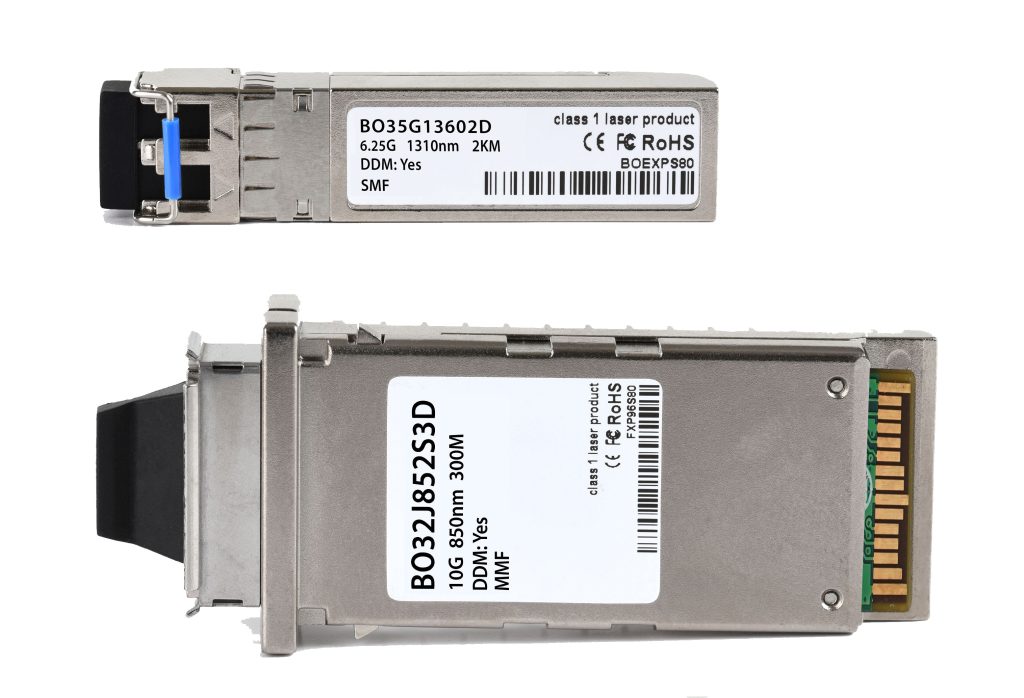
Provide the supplier with:
- Equipment manufacturer and model.
- Exact switch or router part number.
- Port type and required data rate.
- Operating system or software version, where relevant.
- Original transceiver part number, if available.
Ask the supplier to explain the basis of its compatibility claim and identify any limitations. Do not rely on a general statement such as “compatible with Cisco” or “compatible with all switches”. Compatibility should be evaluated against the actual equipment model and application.
For more detailed selection guidance, see How to Choose the Right Optical Transceiver.
4. Are Complete Product Specifications Available?
Request a datasheet for each product model. Important parameters include:
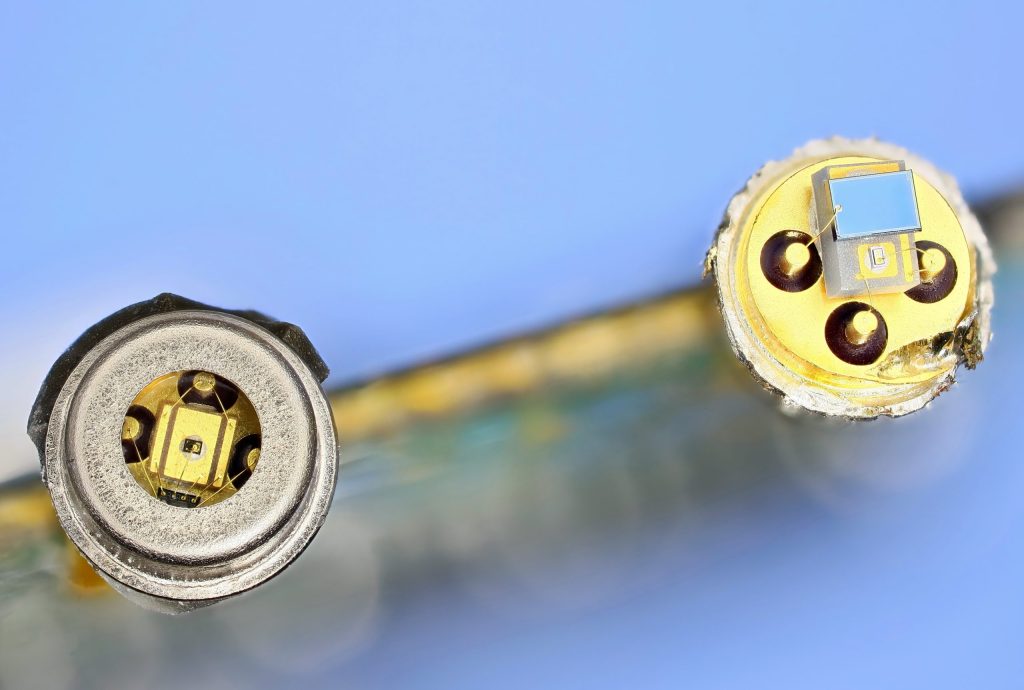
- Wavelength and transmission distance.
- Fiber type and connector type.
- Transmitter output power and receiver sensitivity.
- Operating temperature.
- DOM/DDM support, where applicable.
A professional quotation should identify the actual product specification rather than relying on a generic product description. When comparing suppliers, make sure you are comparing equivalent specifications.
5. What Quality Control Procedures Are Available?
Ask the supplier to explain its quality assurance process. Depending on the product and supplier arrangement, relevant checks may include:

- Visual inspection.
- Optical parameter testing.
- Functional testing.
- Compatibility verification.
- Label and packaging inspection.
- Batch identification and traceability.
Request sample inspection records or test documentation when available. Confirm which tests are included in the quotation and which require additional arrangements.
Learn more about our approach to Quality Control.
6. Can the Supplier Provide Samples Before Bulk Orders?
Sample evaluation helps buyers confirm whether the product meets their actual requirements. Before ordering samples, agree on:
- Exact model and specifications.
- Target equipment platform.
- Test conditions and acceptance criteria.
- Sample lead time.
For critical applications, evaluate the complete link rather than testing a module in isolation. A successful sample evaluation can reduce uncertainty before a larger purchase order.
7. How Flexible Is the Supplier’s Product Range?
Network procurement often involves more than optical transceivers. Depending on project requirements, buyers may also need:
- Fiber optic patch cords.
- MPO/MTP assemblies.
- DAC and AOC cables.
- Network switches.
- Other optical communication products.
A supplier or sourcing partner that can coordinate multiple product categories may simplify purchasing, supplier communication and delivery management. Explore our Products to learn more about our product categories.
8. Can the Supplier Support OEM or ODM Requirements?
For distributors and brands, customization may be important. Clarify whether the supplier can support:
- Product labeling and packaging customization.
- Private-label requirements.
- Specification adjustments.
- OEM or ODM development, subject to technical feasibility and agreed scope.
Always confirm minimum order quantities, development costs, technical responsibilities and lead times before committing.
9. Are Pricing and Delivery Terms Transparent?
Compare quotations on an equivalent basis. Check:
- Exact model and specification.
- Quantity and unit price.
- Sample and production lead times.
- Packaging requirements.
- Warranty terms.
- Shipping terms and responsibilities.
A lower unit price does not necessarily mean a lower total procurement cost. Product suitability, quality consistency and delivery reliability also matter. Ask for a clearly itemized quotation so that you can compare suppliers fairly.
10. Does the Supplier Provide Clear Communication and After-Sales Support?
A reliable supplier should be able to respond to technical and commercial questions clearly. Before placing an order, establish:
- Who handles technical questions?
- How are product issues reported?
- What information is required for troubleshooting?
- What are the warranty and replacement procedures?
- How are production and shipment updates communicated?
Written agreements help avoid misunderstandings and make cooperation more manageable.
A Practical Optical Transceiver Supplier Evaluation Checklist
- Supplier identity and supply-chain transparency.
- Product specifications and datasheets.
- Equipment compatibility requirements.
- Available quality inspection and test evidence.
- Sample evaluation arrangements.
- Production capacity and delivery schedule.
- Pricing, warranty and after-sales terms.
- OEM/ODM requirements, if applicable.
How FEELTONE TECH Supports Optical Networking Procurement
FEELTONE TECH is a China-based sourcing and procurement solutions partner focused on helping overseas buyers identify suitable suppliers for optical networking and communication products.
Our approach focuses on understanding each customer’s requirements before matching products and suppliers. Depending on project needs, support can include:
- Supplier resource integration.
- Product selection and technical requirement matching.
- Supplier information coordination.
- Pre-shipment inspection arrangements and quality risk control.
- Multi-category purchasing coordination.
- Cost comparison and alternative sourcing solutions.
- OEM/ODM requirement coordination.
We aim to make China-based procurement more transparent, manageable and efficient for overseas distributors, integrators and business buyers.
Learn more about our Sourcing Solutions.
Request an Optical Transceiver Sourcing Consultation
Planning to purchase 10G–800G optical transceivers, fiber optic patch cords or network communication products?
Share your target models, equipment platform, required specifications and estimated quantities. FEELTONE TECH can help review your sourcing requirements and coordinate suitable supplier options.
Contact FEELTONE TECH to discuss your next procurement project.